Check back each week to see more panel discussions on Helping Hands.
The importance of Christmas traditions
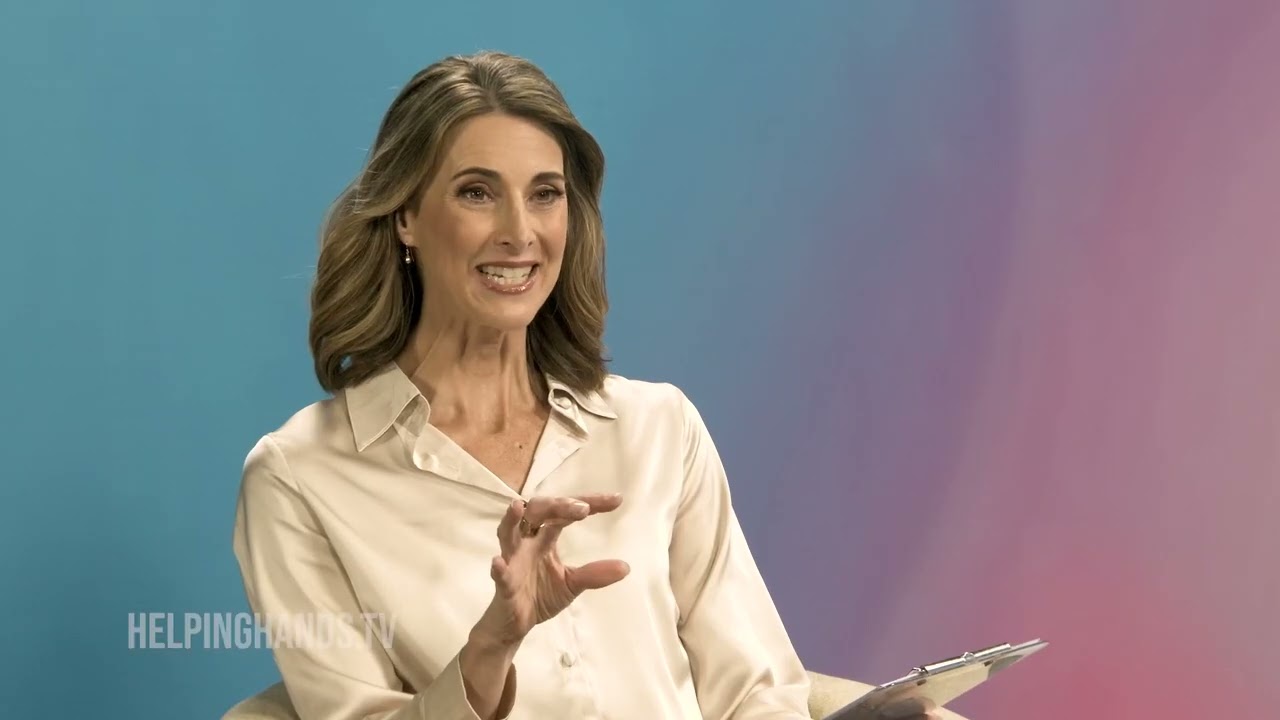
Christmas Traditions That Help us Think of Others
The best Christmas traditions are the ones that prompt us to think of others – like helping, giving, and gathering. That’s the message of our Helping Hands panellists, Felicia Limmer of Vision Christian Media, youth worker Nathan Brewer, and Michaela Chanmugam of Samaritan’s Purse.
Understanding self-worth
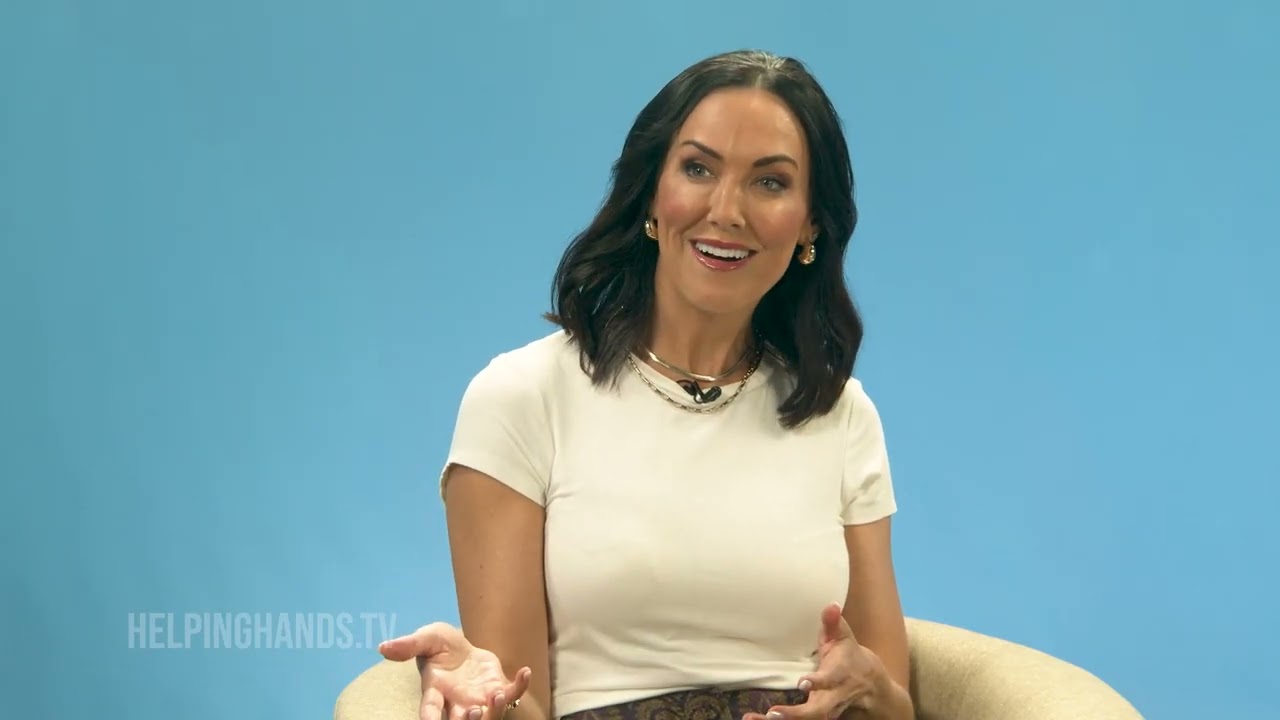
5 keys to growing - or rebuilding - your self-worth
A healthy sense of self-worth requires us to understand our inherent value. We can build up our self worth with practices such as gratitude, self care, and resisting comparison. These are the key takeaways from a recent Helping Hands panel discussion with founding board member of RUOK? Graeme Cowan, psychologist Collett Smart, and disability parenting advocate Hannah Gair.
The importance of self-care
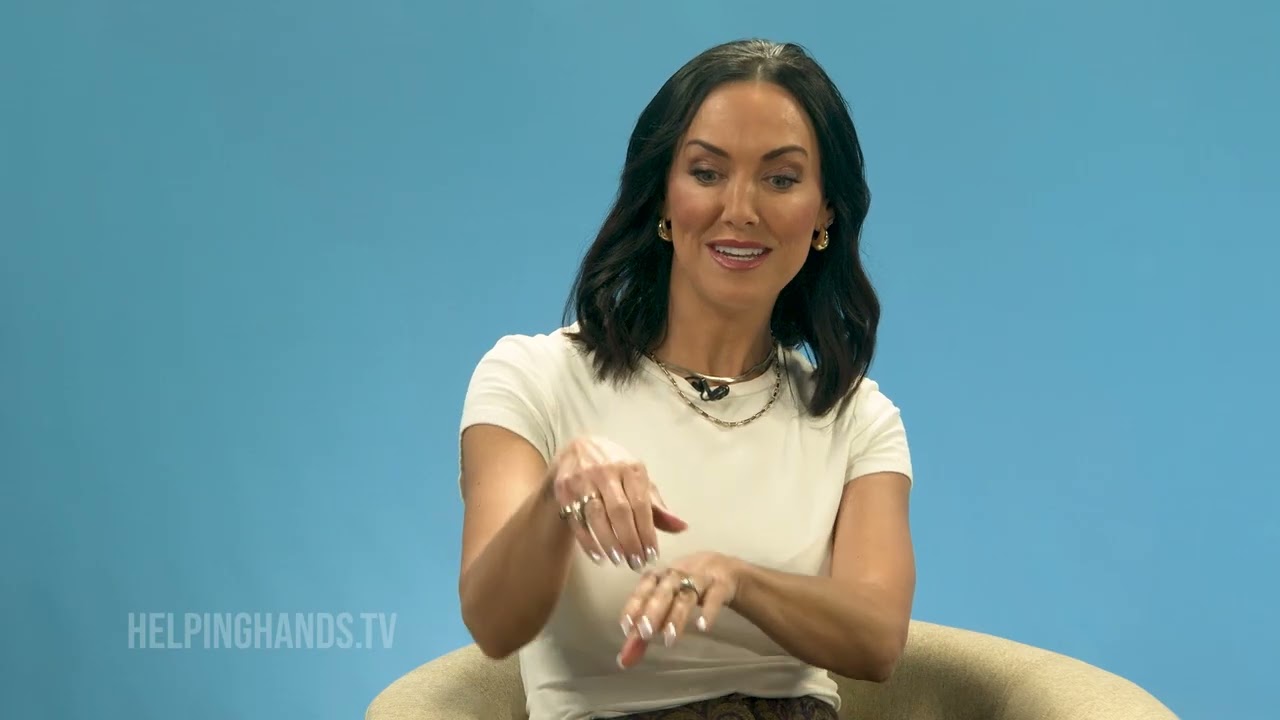
Why prioritising self-care is a must: some expert advice
In a Helping Hands panel discussion about the importance of self-care, our panelists agree that self-care is vital for both you, and for those around you.
RUOK? founding board member Graeme Cowan, psychologist Collett Smart, and disability-and-parenting advocate Hannah Gair, liken self-care to “putting on our own oxygen mask first” so that we can support others too. Self-care involves many components including physical, mental, relational, spiritual, and career health.
Generosity with time

Unravelling the meaning of time well spent
“We need to see time as like gold,” says Amanda Rose, founder of Entrepreneurial and Small Business Women Australia.
Time is a precious commodity. Each day, humans all around the planet are gifted the same amount of time. How do we get to the end of a day and, eventually, to the end of our lifetime, and know that we’ve spent our gift of time well?
Community Connection and Purpose
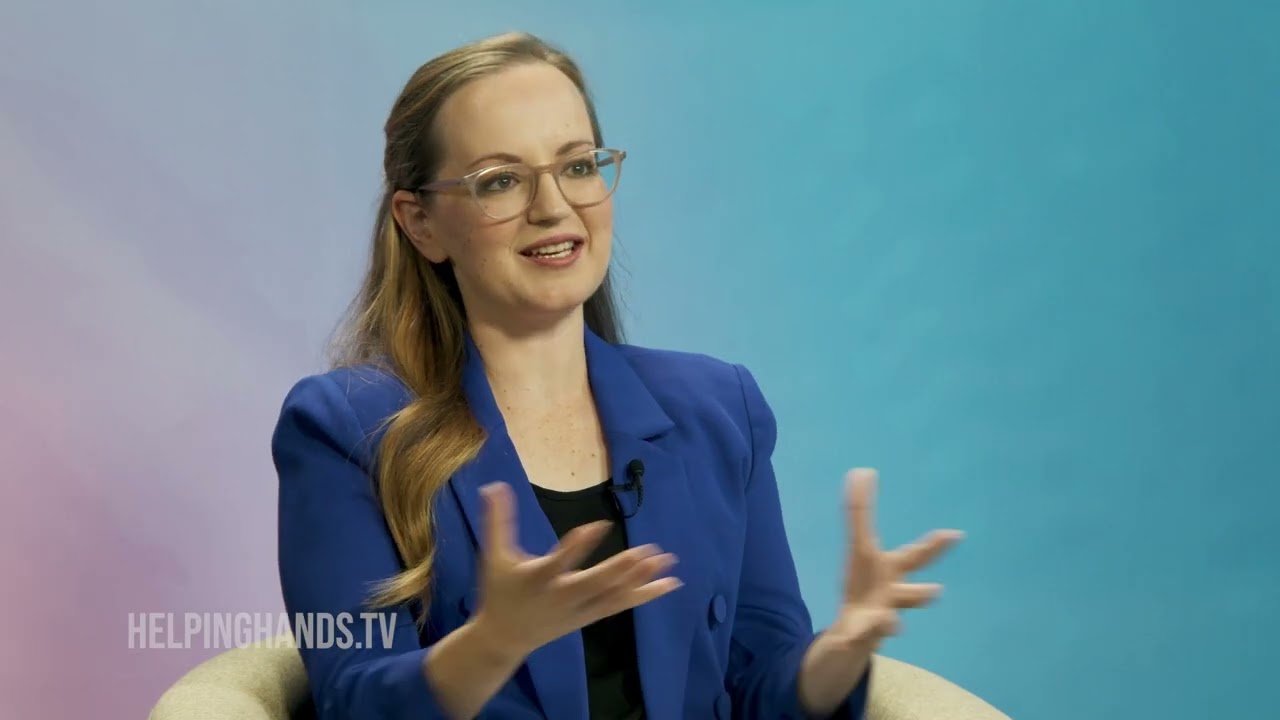
Purpose - The key to a thriving community.
“Your entire life depends on the quality of the community or communities you associate yourself with and create,” says Adam McCurdie, founder and CEO of Humanitix.
Community connection is important to humanity. It is at the centre of every thriving society and civilisation around the world, and provides a framework for understanding, belonging, culture and identity.
In this Helping Hands panel discussion, Adam McCurdie is joined by Mike Gore, founder and CEO of Charitabl.; and Prof. Kristy Muir, CEO of the Paul Ramsay Foundation, to discuss community connection and purpose.
Care and support for young people
Enabling young people to thrive
Children and young people today have greater access to information and resources than any other generation in history. However, in young hands and minds, rather than being helpful, sometimes this ease of access is a barrage of ideas, opinions and perspectives that ultimately have a negative affect on wellbeing. It leads those of us who care for and support young people to continue to ask the question: How can we enable young people to thrive?
The Dreaming and Songlines

The Dreaming and Songlines of Indigenous Australia
“You don’t get to be the world’s oldest living continuing cultures without a great foundation of a system of law and living,” shares Education and Cultural Consultant, Brooke Prentis.
Aboriginal Identity
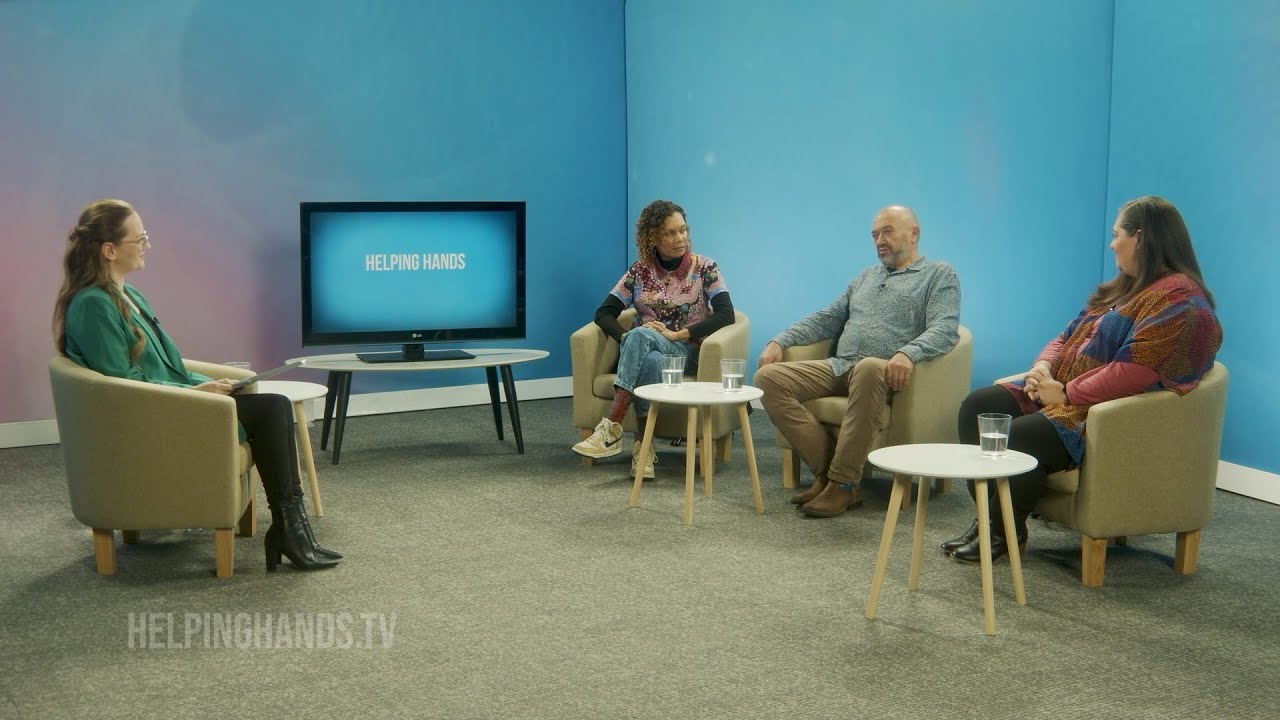
How To Address Indigenous Australians
“Because people don’t have the experience walking alongside us, on Country, or in our daily lives ... there are misconceptions and misunderstandings out there” says Rhanee Lester, Adnyamathanha woman and researcher at the University of Adelaide.
In this Helping Hands panel discussion, Rhanee is joined by Brooke Prentis, Wakka Wakka woman and Education and Cultural Consultant, and Uncle David King, Gundungurra man and Indigenous Education Facilitator, and share their personal stories of family and culture, and bring clarity to understanding Aboriginal identity.
Who are the Indigenous peoples of Australia?

This week on Helping Hands, three Indigenous leaders from Queensland, New South Wales and South Australia explain what is means to identify as an Indigenous Australians, discuss some their life experiences, the and invite us to understand the Indigenous Peoples of Australia.
The DNA of a Purpose-led Business
The DNA of a Purpose-led Business
A purpose-led business balances profit and purpose in a way that allows the business to grow while making a positive impact.
On Helping Hands, founder and CEO of Pro Purpose, Alana Nicholls; mental health expert and founding board member of R U OK?, Graeme Cowan; and CEO and chief storyteller of the ImpactInstitute, Mark Jones; reveal the clear indicators we can all use to identify a purpose-led business.
Living a life of purpose
What does it mean to live with purpose?
Purpose is a fundamental factor of happiness. Many people, at different stages of life, ask, What is my purpose? Although this often-daunting question may have no clear answer, it’s one that has wonderful potential to inspire growth, meaning and contentment.
Motivating Young People

The Impact of Cheering on Young People
The many pressures and expectations being faced by young people today makes it harder than ever before for them to find motivation, according to Brett Ryan from Focus on the Family.
Whether the pressures from the people around them, their social media feeds, or self imposed, the fast paced nature of modern life juxtaposed with the slower pace of emotional, physical, social and spiritual development can impact a young person's desire to reach their potential.
Business and Social Responsibility
Business - the promising leaders of social change
Social responsibility is a perpetual hot topic of conversation. Australia is historically a nation who gets behind a good cause — we back the underdog, rally for equality and call for action on important issues, most recently, the rising cost of living. But whose responsibility is it to provide answers for the social issues we face here in Australia and around the world?
Why your parenting style matters

Why thinking about your parenting style matters
For chaplain, Raewyn Elsegood, the best parenting wisdom she learned and applied to raising her three children was to “look at them all as their personal best, and their individual best”.
In this Helping Hands panel discussion, Raewyn is joined by psychologist, Collett Smart, and teacher, Rod Braine, to discuss the important topic of parenting styles – what they are and how they can effectively be applied in a family setting.
Vision Christian Media

Faith, family and friendship this Easter
“I like the isolation, but I also am a social person,” shares 76-year-old Alison Gray. “I have the radio on most of the time – on my phone. I just have it in the background, and it helps, it encourages me – lifts my spirits up.”
In this special Easter episode of Helping Hands, we join Alison on her property in outback Queensland.