Check back each week to see more panel discussions on Helping Hands.
Domestic Violence Series: Safe Housing for Victims of Domestic Violence
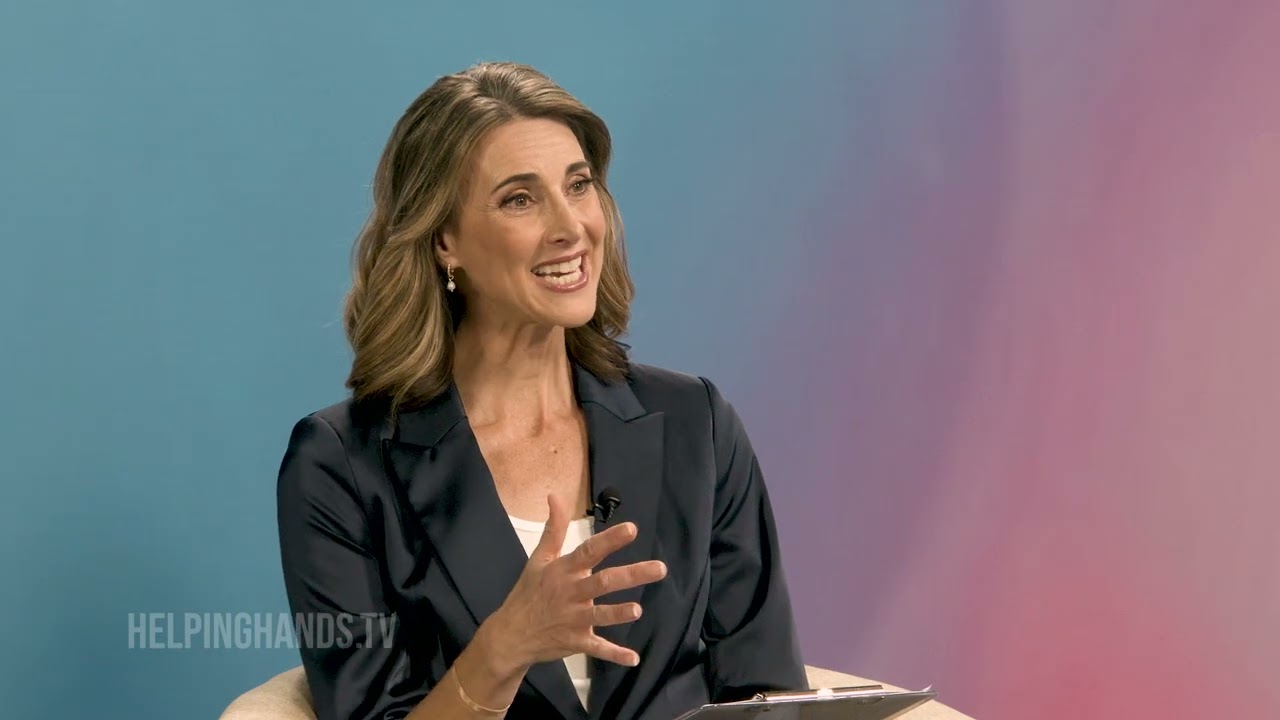
Safe Housing is “The Difference Between Staying or Leaving”
Safe housing is the vital first step needed to help someone flee domestic and family violence, according to Helping Hands panellists, Libby Caskey from the Women’s Housing Company; Steve Frost, founder at Horizons Family Law Centre; and Dave Kramer, founder of the HALT program and ambassador at Small Steps 4 Hannah.
Almost half of all people facing homelessness are women fleeing domestic and family violence. That’s why safe housing is a crucial first step for someone escaping abuse.
Domestic Violence Series: A Safe Haven for Victims and Children
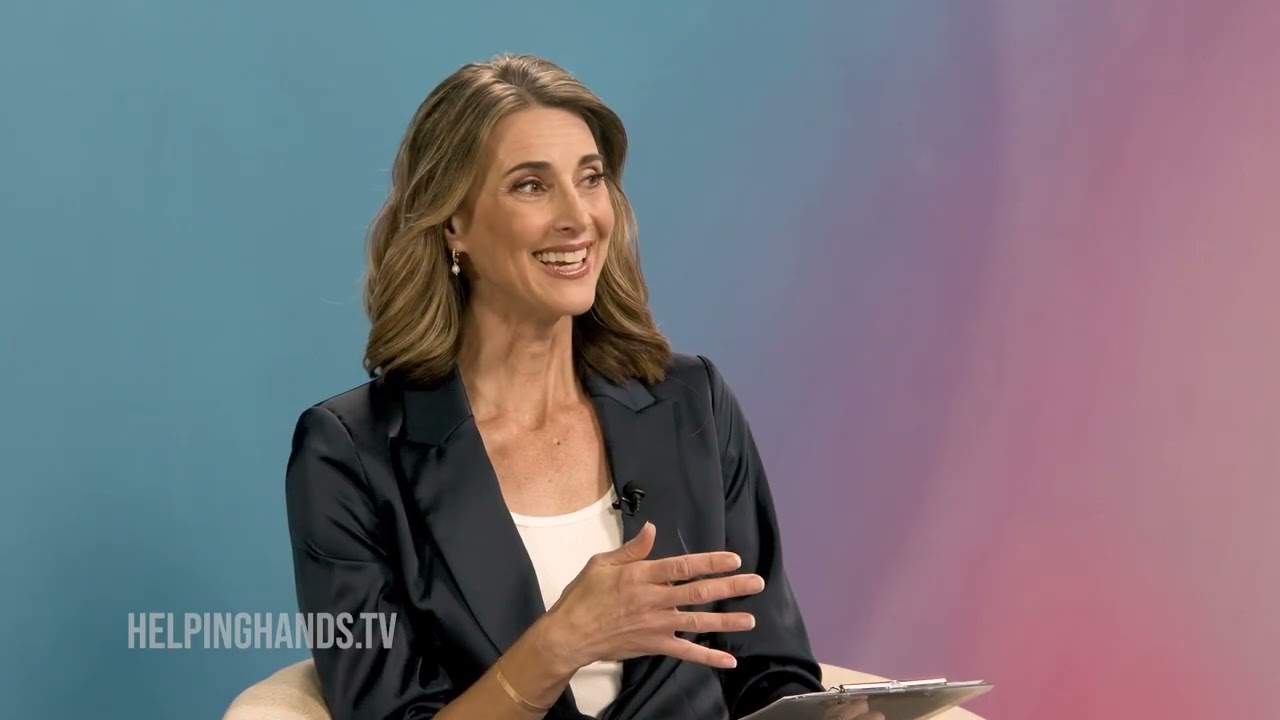
Safety and Security for Victims of Domestic and Family Violence
A safe haven is more than a roof – it's where victims of domestic and family violence can feel safe, regain agency, and begin to heal. In this week’s panel discussion on Helping Hands, our panellists Lisa Annabel (CEO of Biyani House), Steve Frost (founder of Horizons Family Law Centre), and Libby Caskey (Community Development Manager, Women's Housing Company) discuss what is means to provide a safe haven.
Domestic Violence Series: How Do We Meet the Needs of Domestic Violence Victims?
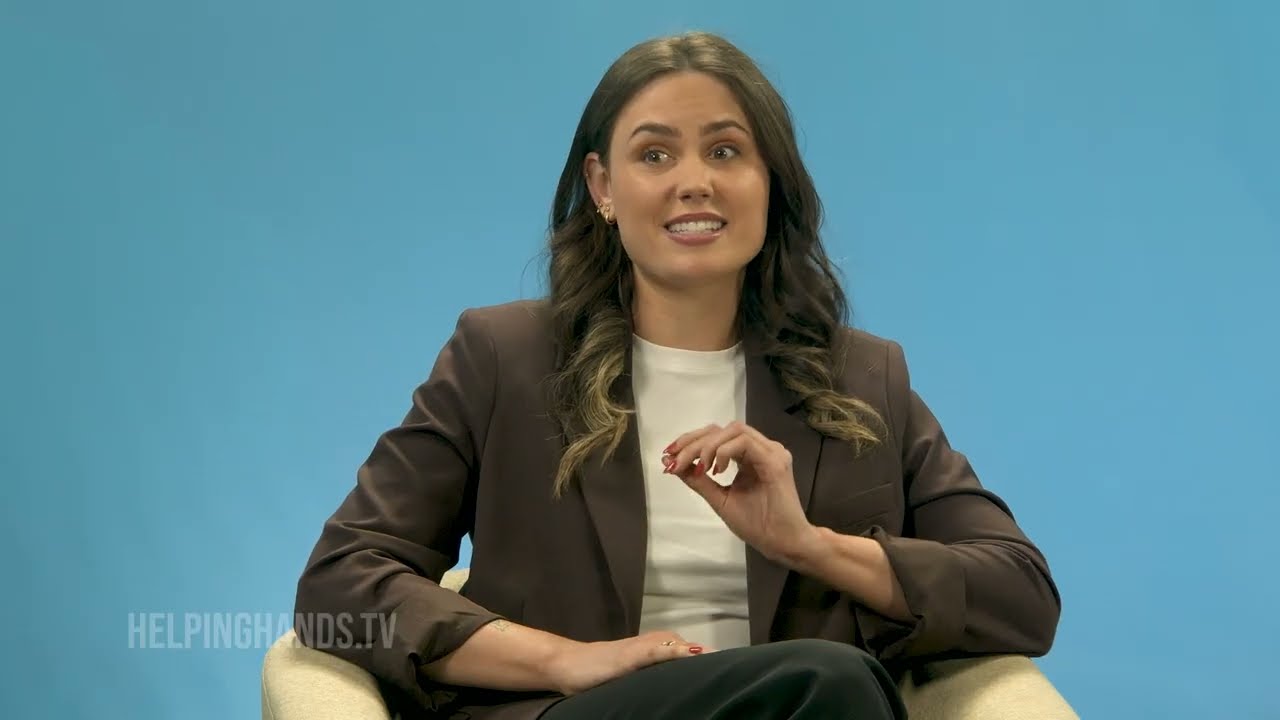
To Help a Victim of Domestic Violence, Listen and Believe Them
Listening and believing a victim’s story, respecting their choices, and offering practical help, could be the lifeline that helps someone break free from domestic violence. That’s the advice of Helping Hands panellists Lilly McKeich (Salvation Army National Domestic and Family Violence Specialist); Stacy Jane (Escabags founder and survivor); and Dave Kramer (founder of the HALT Program).
The power of positive influence

Turning up the volume on positivity
“If we all believed that just bringing our little piece, whatever it is, could make a difference, it really does have a really positive impact,” says Joce Goto, Chief Operations Officer at giving App, Charitabl.
Joce is joined by Mark Jones, Chief Storyteller at the ImpactInstitute; and Max Jeganathan, former advisor to Federal Government, to speak about how we can both grasp and wield the power of positive influence in this thought-provoking Helping Hands panel discussion.
Intentional Community Connections
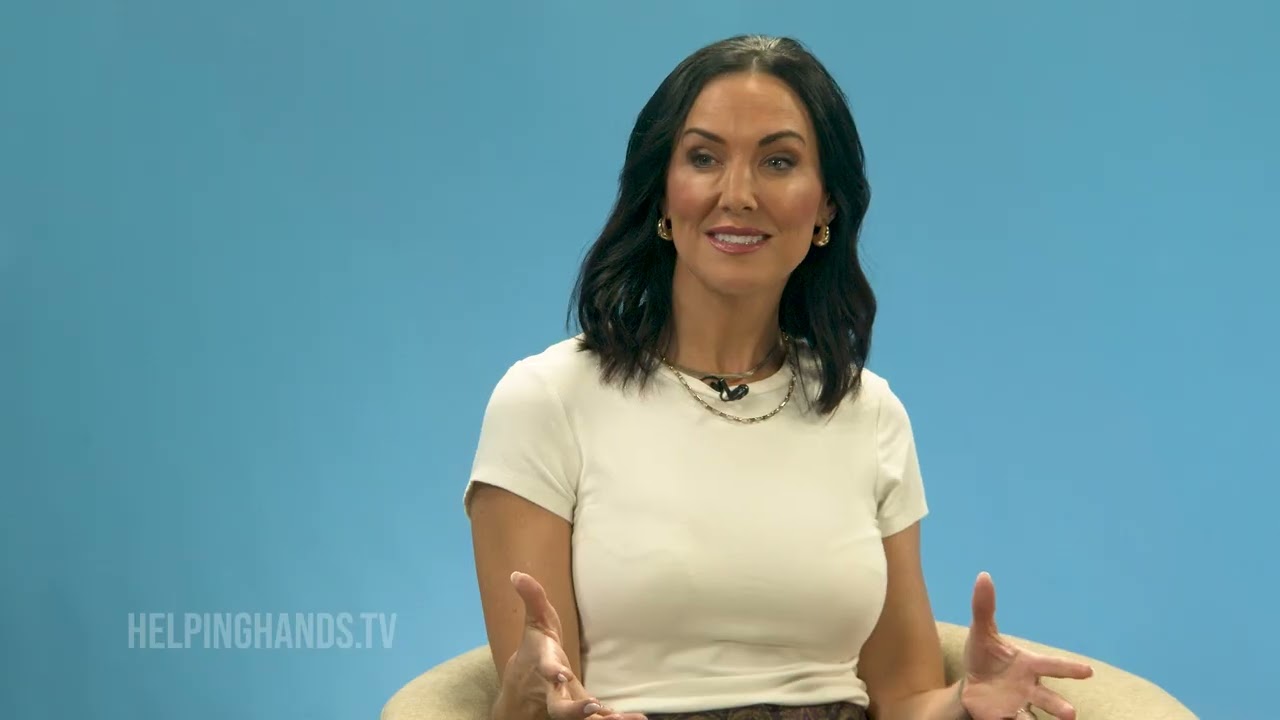
Ending the epidemic of isolation through intentional community connection
“We are made for relationships, we are made for connection,” says psychologist, Collett Smart. “Being social is so much a part of what feeds our wellbeing. And when we don’t have connection, we end up lonely.”
In this Helping Hands panel discussion, Collett is joined by mental health author and speaker, Graeme Cowan, and Hannah Gair, founder of StrongerHERside podcast, to explore the importance of intentional community connection.
The joy of giving
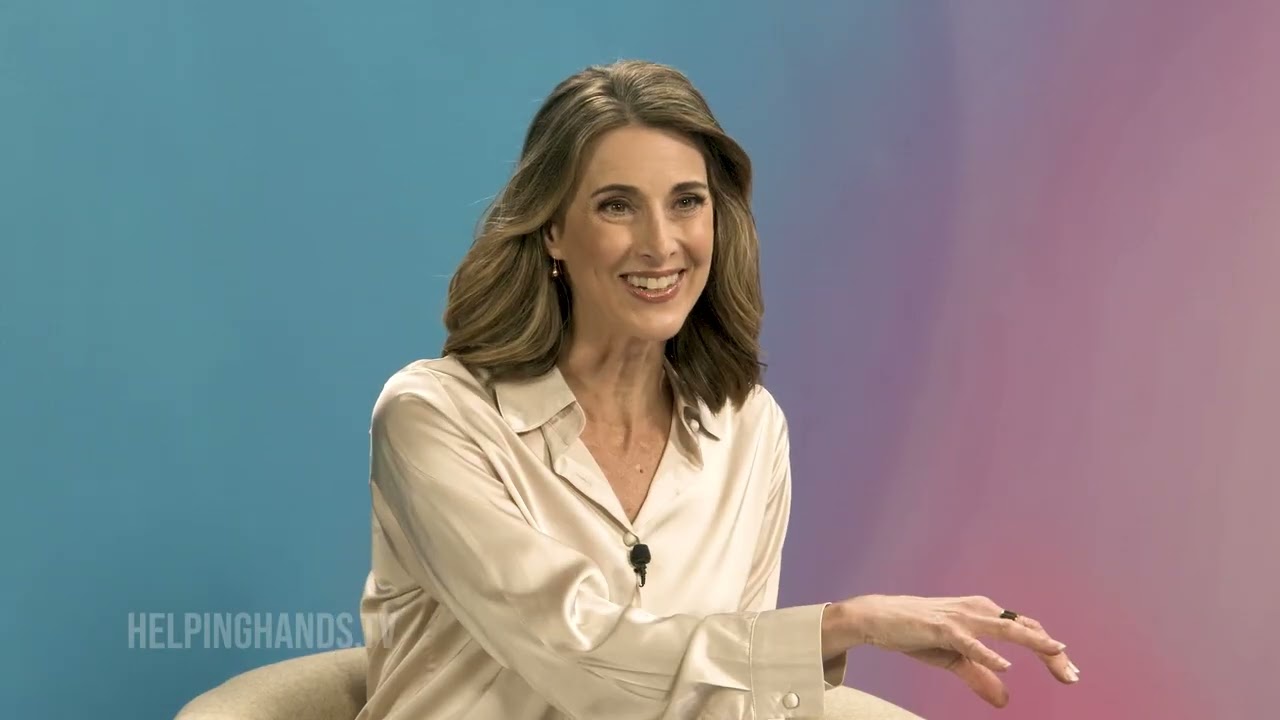
Is it better to give than to receive?
“I remember loving getting presents as a kid,” says Fel Limmer, breakfast radio host at Vision Christian Radio, “and that expectation of it was all part of that joy. As a parent though … when I’m giving, it’s not because I’m giving a material piece … it’s an expression of my love for them.”
In this Helping Hands panel discussion, Fel is joined by Michaela Chanmugam, from Samaritan’s Purse Australia and New Zealand, and Nathan Brewer, a youth worker and mentor, to discuss the joy of giving.
How do we cope when things spin out of control?
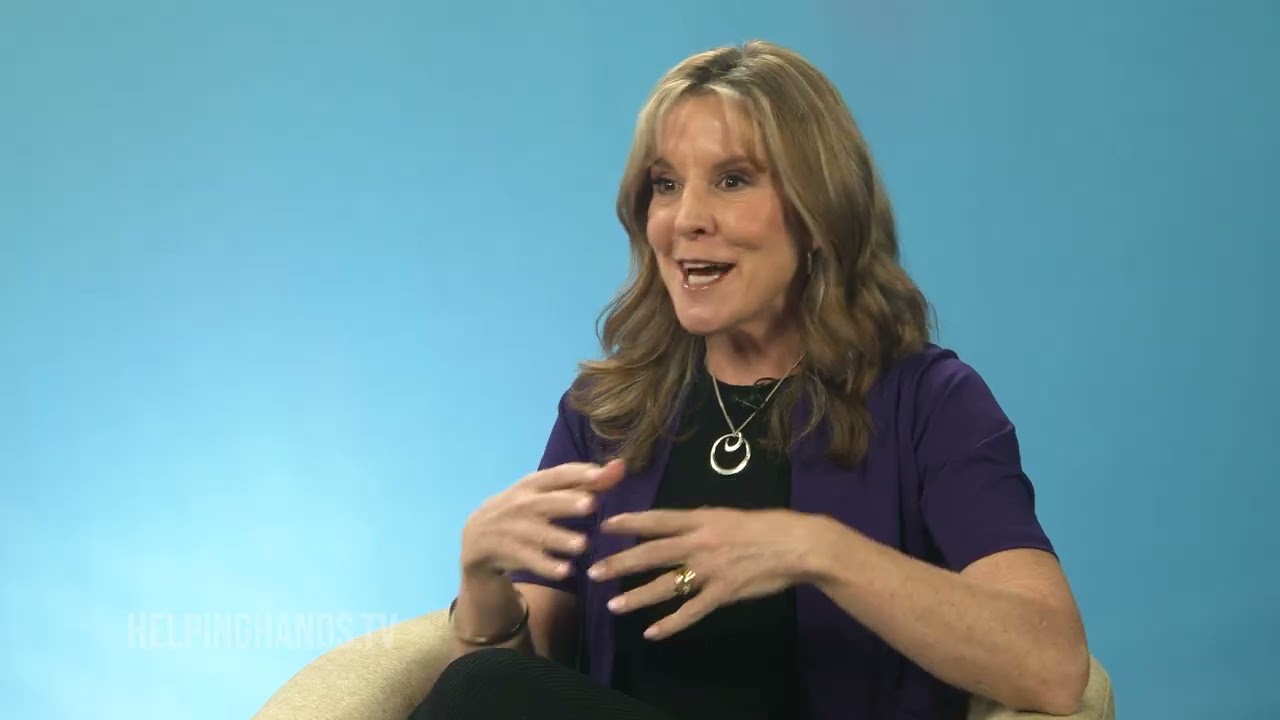
Remaining Grounded When Things Spin Out of Control
Whether facing everyday stress or devastating tragedy, learning to cope when life feels like it is spinning out of control begins with grounding ourselves physically, naming our feelings, and having the courage to simply be.
This week, Helping Hands explores how to navigate moments of chaos with psychologist Collett Smart, chaplain and author Raewyn Elsegood, and i4Give co-founder Danny Abdallah.
How can we support people through tough times?
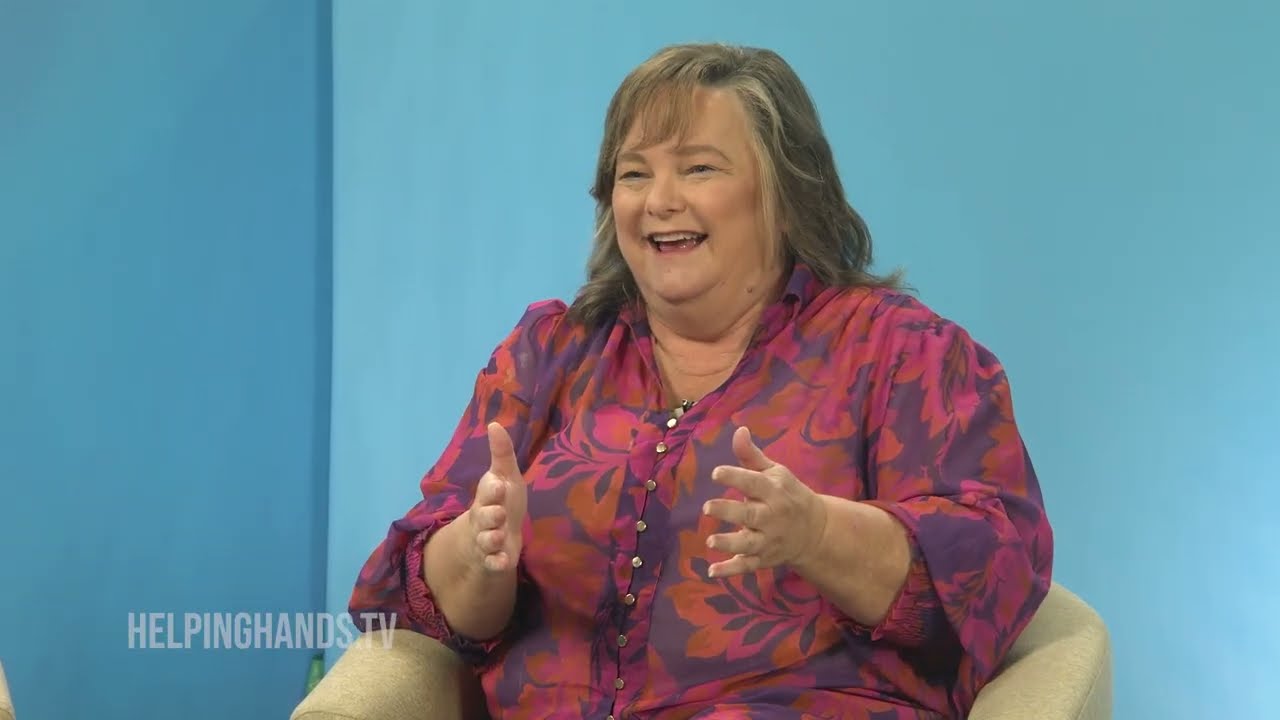
Supporting People Through Tough Times: The Gift of Presence
When tragedy strikes, the most powerful thing we can offer isn't advice or solutions – it's simply being present and creating a safe space.
This week, Helping Hands explores what it means to support others during their darkest moments with Wayside Chapel CEO Jon Owen, chaplain and author Raewyn Elsegood, and i4Give co-founder Danny Abdallah.
The power of forgiveness
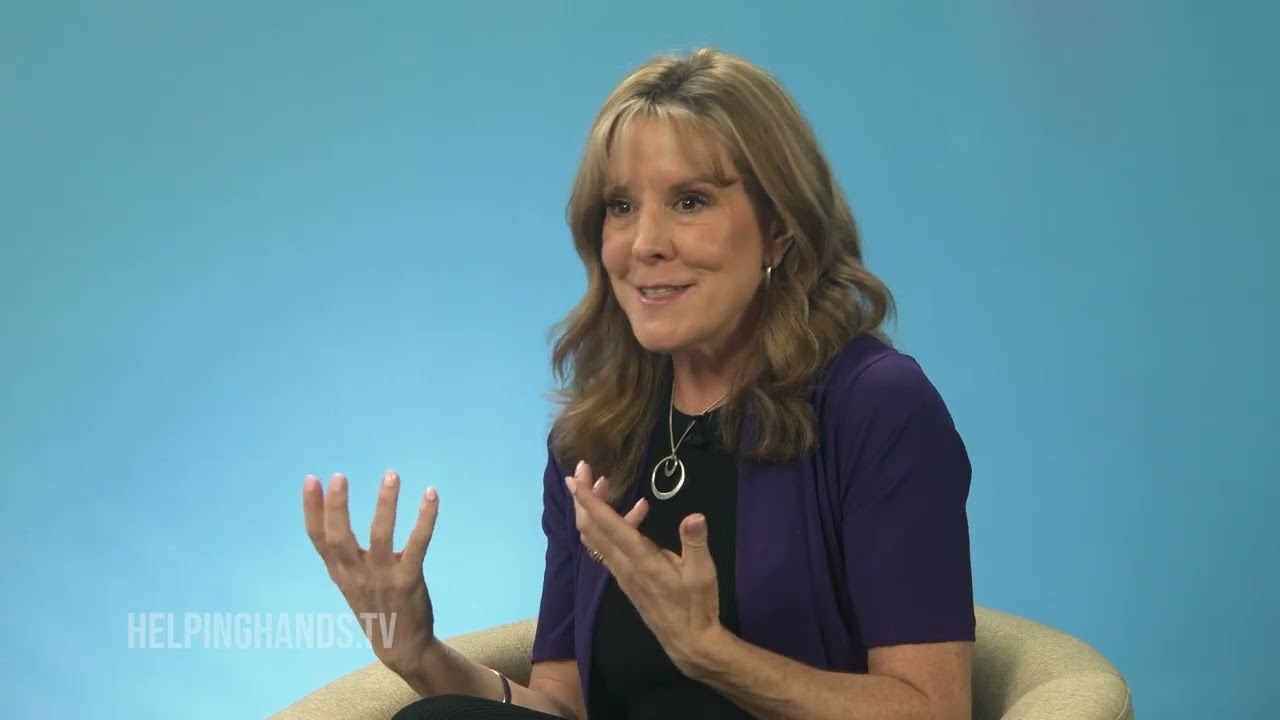
The Transformative Power of Forgiveness
Forgiveness isn't about excusing wrongdoing or forgetting pain – it's about freeing ourselves to move forward. But understanding what forgiveness truly means, and how to extend it, requires a deeper look at this misunderstood concept.
This week, Helping Hands explores the complex journey of forgiveness with psychologist Collett Smart, Vision Christian Radio CEO Phil Edwards, and chaplain and author Raewyn Elsegood.
How can we help others to live their best lives?
Helping People to Live Their Best Lives: The Power of Presence
Supporting others to live their best lives doesn't require perfection – it requires presence, authenticity, and the courage to sit with pain.
This week, we explore what it means to help others thrive with Wayside Chapel CEO Jon Owen, chaplain and author Raewyn Elsegood, and i4Give co-founder and prison chaplain Danny Abdallah talking about how we can help people to live their best lives.
Healthy Friendships

The even playing field of healthy friendships
“Healthy friendships are all about mutuality,” says psychologist, Collett Smart. “It’s about being on that even field where one isn’t more important than the other.”
In this episode of Helping Hands, Collett is joined by Nathan Brewer, a youth worker; and Ian Barnett, the founder of the National Grandparent Movement, to discuss healthy friendships.
The Medical Challenges of Rural Living
Flying Hope to Rural Australia: How Little Wings Keeps Families Together
When a child in rural Australia faces a serious illness, accessing specialist treatment in major cities can put a massive strain on families. Little Wings is changing that, one flight at a time.
This week, we explore how this small but mighty charity supports regional families with Little Wings CEO Clare Pearson, recipient parent Renee Baird Jones, and child and family psychologist Collett Smart talking about the challenges of medical treatment in rural and remote communities.
What is Easter Really All About?
A Deeper Meaning of Easter: More Than Just a Long Weekend
Easter offers Australians a rare four-day break, but beyond the chocolate and time off lies a profound message about life, renewal, and community. This week, we explore the significance of Easter with psychologist Collett Smart, Vision Christian Media CEO Phil Edwards, and Wayside Chapel CEO Jon Owen.
How To Choose Which Charity To Support?
How To Choose Which Charity To Support?
With over 60,000 registered charities in Australia, the not-for-profit sector plays a vital role in supporting communities and causes across the nation, but how do you choose which charity to support? That is one of many questions discussed in this extended Helping Hands panel discussion with Marion Bennett (Mission Australia's Executive of Practice, Evidence and Impact), Joe Ware (CEO of the Chatleigh Foundation), and Pip Kiernan (Chair of Clean Up Australia and daughter of late founder Ian Kiernan).
What does it mean to be a Good Samaritan?
What Does It Mean to Be a Good Samaritan?
Whether it's listening to someone in distress, helping a neighbour after a tragedy, or simply stopping to say hello, being a good Samaritan is about putting compassion into action. That's the message from Helping Hands panellists Jon Owen (CEO of Wayside Chapel), Raewyn Elsegood (chaplain and author), and Danny Abdallah (co-founder of i4Give).