Forgiveness isn't about excusing wrongdoing or forgetting pain – it's about freeing ourselves to move forward. But understanding what forgiveness truly means, and how to extend it, requires a deeper look at this misunderstood concept.
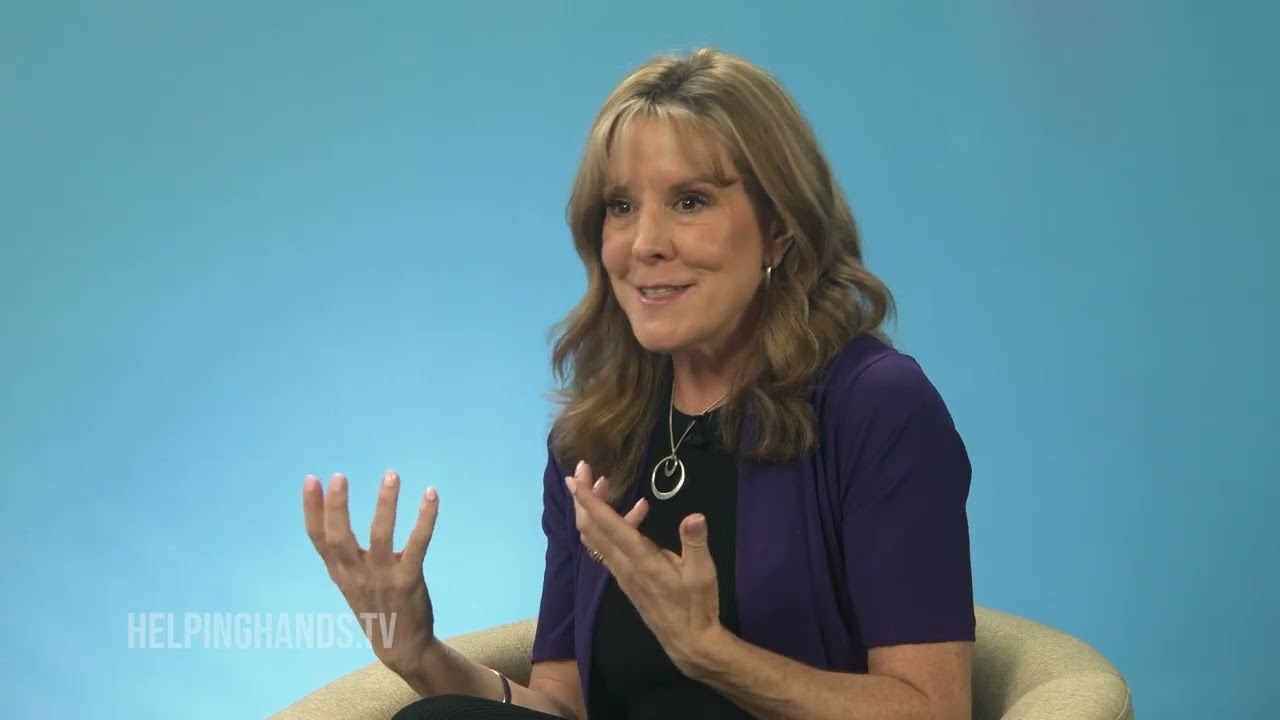
This week, Helping Hands explores the complex journey of forgiveness with psychologist Collett Smart, Vision Christian Radio CEO Phil Edwards, and chaplain and author Raewyn Elsegood.
The panellists discuss how:
Understanding What Forgiveness Really Means
To Phil, saying sorry and offering forgiveness are two different things.
An apology comes from the person who caused harm. Forgiveness, however, is a choice made by the person who was hurt – a decision to accept the apology and refuse to remain bound by the pain.
"Forgiveness is something that sets ourselves free and it doesn't come intuitively," Phil explains. "I don't know that we do understand it that well, but we really benefit when we do [forgive]."
Phil hears extraordinary stories of forgiveness through his work on national radio. He gives an example of a man from Adelaide who chose to forgive his dying father despite years of abuse. The decision wasn't about excusing his father's behaviour – it was about setting himself free from being bound by trauma.
Phil says that forgiveness sits at the heart of grace, reminding us that we're all imperfect and that the measure of grace we extend to others returns to us.
The Journey Begins With Ourselves
Raewyn offers a perspective that challenges conventional thinking: the person we most need to forgive is often ourselves.
Through her own journey and her work as a chaplain supporting others, she's observed that self-forgiveness unlocks the ability to move forward and extend forgiveness to others.
"The person we're waiting to forgive is ourselves, and that is where the power [to forgive others] comes from," Raewyn says. "Once we do that, then we take a few steps forward."
This self-reflection creates awareness about our own role in difficult situations, enabling us to say sorry where needed and extend forgiveness where it's been withheld.
Raewyn points to a simple truth: if we want others to forgive us, we must be willing to forgive them. While some may still be waiting for apologies that never come, the power of forgiveness lies in not allowing that wait to define our lives.
The Science of Letting Go
Psychologist Collett Smart reveals that forgiveness produces measurable changes in our emotional, mental, and physical wellbeing. However, she emphasises that forgiveness cannot be forced or rushed – it must come when someone is ready, particularly after trauma or severe injustice.
Collett explains that when we harbour resentment long-term, our bodies remain in fight-or-flight mode. This manifests as raised cortisol levels, increased heart rate, anxiety, depression, and poor sleep. We often lash out at others because we're holding onto pain. Forgiveness breaks this cycle.
"Forgiveness is often about you letting go and not letting the past define you or have power over you anymore," says Collett. "When you release that or extend that forgiveness, you actually release something in yourself to keep moving forward."
Collett challenges the phrase "forgive and forget", calling it simplistic. True forgiveness isn't about pretending wrongs didn't happen, and it doesn't always mean restoration, especially when safety is at risk. What matters is finding a way to free yourself and move forward on your own timeline.
Forgiveness is a gift we give ourselves. Whether we begin by forgiving ourselves, understanding grace, or recognising the health benefits of letting go, the path to forgiveness is profoundly liberating.
#helpinghandstvau #makingtheworldabetterplace #paneldiscussion #impactmakers #impact #gamechangers #socialgood #tvshowforsocialgood #becabbott #forgiveness #healing #mentalhealth #wellbeing #grace #collettsmart #philedwards #visionchristianradio #raewynelsegood