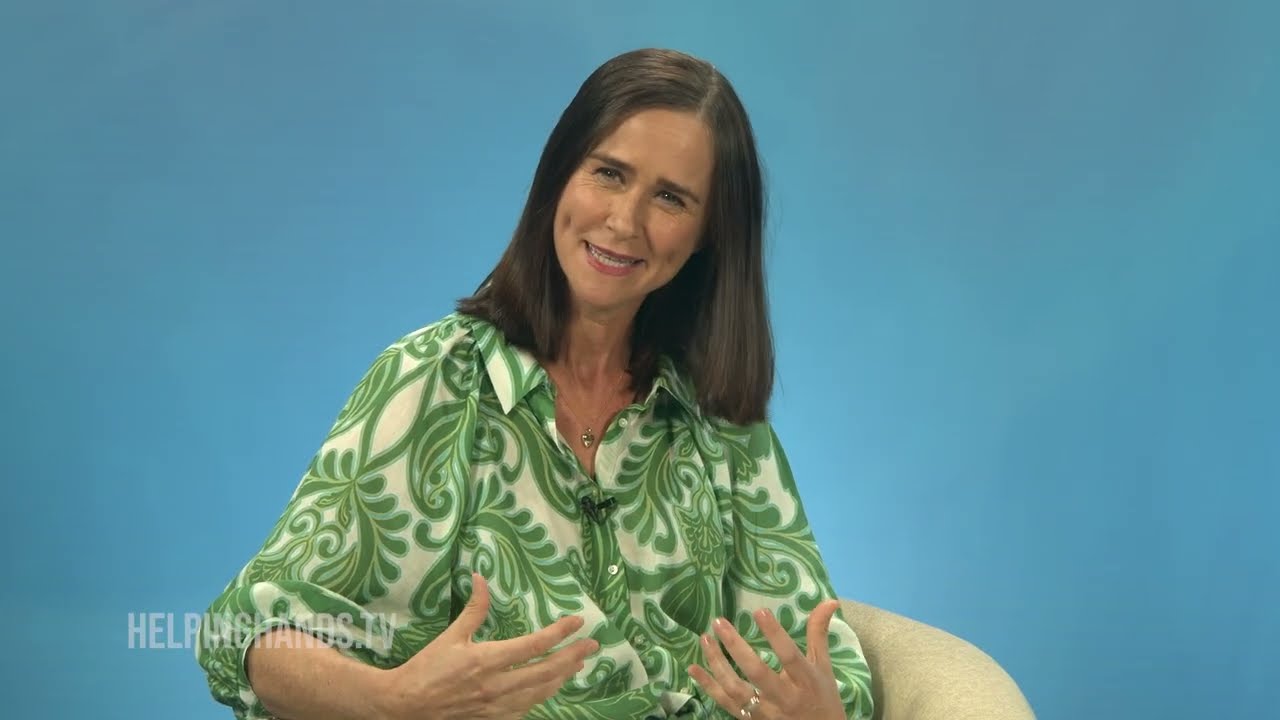
With over 60,000 registered charities in Australia, the not-for-profit sector plays a vital role in supporting communities and causes across the nation, but how do you choose which charity to support? That is one of many questions discussed in this extended Helping Hands panel discussion with Marion Bennett (Mission Australia's Executive of Practice, Evidence and Impact), Joe Ware (CEO of the Chatleigh Foundation), and Pip Kiernan (Chair of Clean Up Australia and daughter of late founder Ian Kiernan).
Why Charities Matter
Joe explains that charities often excel where government and private entities cannot.
"Charities are really good at the learning process," he says, noting how organisations like Mission Australia gather evidence on what works and adapt their programs and services accordingly.
Marion continues by focusing on the people who work in the charity sector, saying, "They understand the communities that they live [and work] in, and they're able to respond in a nuanced way" that government agencies and private entities are not equipped to respond.
The Power of Volunteers
Clean Up Australia exemplifies volunteer power. With just 12 staff, it mobilises over one million Australians to pick up rubbish every year.
"Volunteers are the lifeblood of our organisation," says Pip. "It started with Dad seeing a problem ... and 40,000 Sydneysiders joined him." Today, Clean Up Australia has volunteers in every state who pick up thousands of tonnes of rubbish and waste, helping the environment and building friendships as well.
Volunteers help charities across Australia to deliver many of their services, and provide exponential returns. In any given year, volunteers provide over $20 billion of value to the Australian economy.
Evidence and Impact
Marion explains Mission Australia's approach to measuring their impact and reporting on their effectiveness. "We design well, we measure well, and we act well," she says.
Mission Australia use their feedback to develop programs across their range of services, which are more likely to deliver desired outcomes, and they continually reassess and adapt programs based on their ongoing evaluation processes.
Joe says donors should expect the charities they support to continually evaluate their programs and processes, to ensure they are effective. "Most of the work that charities are trying to do is really difficult," he says, “Donors should expect their charities to take that work really seriously and be constantly measuring it."
For Clean Up Australia, measurement includes volunteer numbers and an annual litter report. Recognising plastics make up around 80 per cent of items collected, they lobbied the government to start the Return and Earn glass and plastic bottle recycling program - which rewards Australians for recycling drink bottles and cans that would otherwise go to landfill.
Building Community Connections
Beyond financial and logistical measurable outcomes, charities can also build social cohesion in ways that government programs and private enterprises cannot.
Clean Up Australia, for example, has an 89 per cent brand trust in the community, making it one of Australia's most trusted organisations. This has been achieved over the many years of bringing people together in their communities to work towards a common goal, and creating personal connections along the way.
"[Volunteering at Clean Up Australia is] a great antidote for loneliness," Pip says. "You never forget the name of the person you cleaned up with."
Choosing Where to Give and Who to Support
Joe, Marion and Pip agree on four common areas to consider when deciding which charity to support:
#helpinghandstvau #makingtheworldabetterplace #paneldiscussion #impactmakers #impact #gamechangers #socialgood #tvshowforsocialgood #becabbott #charities #notforprofit #volunteering #philanthropy #communityimpact #missionaustralia #marionbennett #chatleighfoundation #joeware #cleanupaustralia #pipkiernan